
Building products is a simple concept with a complex journey that often finds you arriving at a destination you never intended to visit.
Think about the products many of us use today and the simple concepts they are built on: WhatsApp lets you chat to people and groups. Cloud storage lets you store things on someone else’s server. AirBnB facilitates staying in someone else’s home.
However, behind all these products are sophisticated tech stacks, significant product work and well thought out user journeys. What appears simple is incredibly complex.
In this post, I’ll talk about three areas you need to think about when building a product:
- What is the problem you are trying to solve?
- What assumptions are you making?
- Are you going to the Maldives or a hotel?
The problem
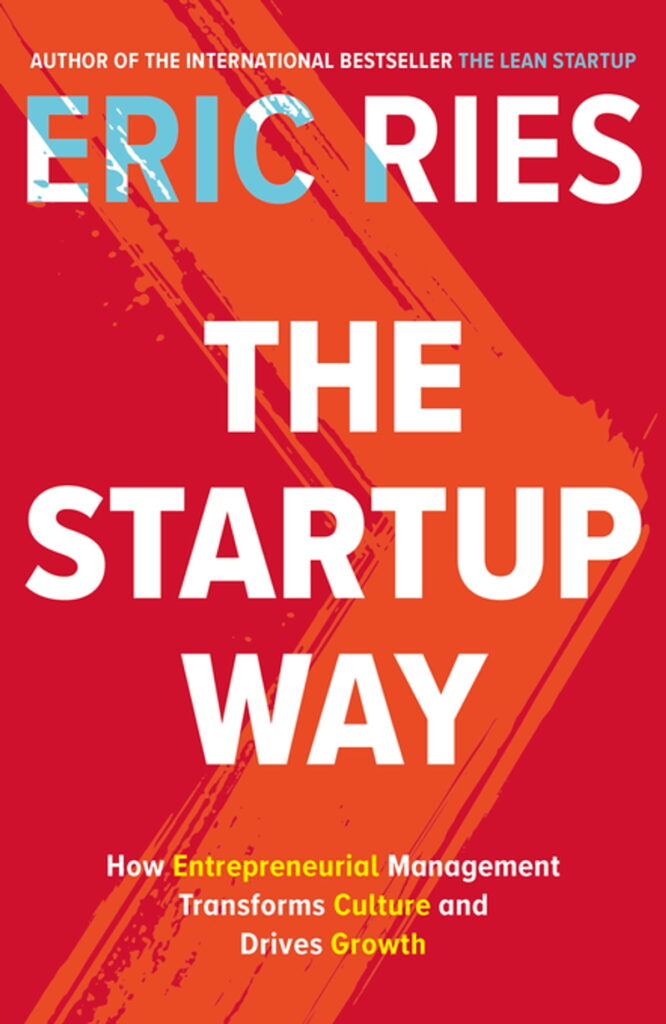
As Eric Ries says in his book, The Startup Way, validating ideas by talking to people to see whether they really have the problem you are trying to solve is the first critical step. Ries poses three questions to start:
- Do people actually have the problem you think they do?
- How do they approach that problem today?
- Is your solution a better alternative than what they do today?
There are some more we could add:
- How quickly could I test this?
- How complex would the process be to build such a product and maintain it?
- How much money do I need to get the product up and running and then scale it?
What often happens in business is that people ending up solving for problems they have in their business, not problems the customer has.
To illustrate this, I remember the launch of the Windows Phone by Microsoft. HTC was licenced to build a phone called the Windows Phone and Microsoft tried out their tiled operating system (OS).
At the press launch of the phone Microsoft gave us a long presentation on why their OS was amazing and then I picked up the phone in my hand and tried it out. After ten minutes, I turned to the person next to me and said, this phone is like asparagus ice cream.
Why asparagus ice cream you ask? Because no one eats asparagus ice cream. Its like Microsoft was trying to sell the concept of asparagus ice cream to us. They were very passionate about it, but no matter what they said, it was still asparagus ice cream.
Quite simply the tiled user interface was nothing like an iPhone or Android and people did not take to it because the OS did not solve a problem that people had.
Ass of you and me (ass-u-me)
Making assumptions is the downfall of many products. Ries asks the following:
- What assumptions must be true for the project to succeed?
- How much do you really know about customers’ preferences, habits and need for a solution like the one you’re proposing?
- What evidence is there that customers really have this problem and will strongly desire to pay for the solution?
- What is known about what customers really want from the solution?
As the old saying goes when assume things you make an ass out of you and me. Below is a great way to deal with assumptions.
In addition to this, when I was in Moscow on business once, a supplier we were meeting with refused to take on one of two projects presented to them. When they declined the second, we were flummoxed.
Their answer was it would take too much magic to get right. Thinking we had suddenly entered a fantasy novel, we asked what they meant.
They said if there were more than two pieces of magic (really hard problems with no obvious solution) then they would not take it on in principle.
These kinds of mental leaps are often made in product development. Products with around 60% of the detail and some good planning often have a couple of massive unknowns which have the potential to become mission failure problems. They’re like icebergs, which may not appear that big on the surface, but under the water they are massive.
Off to the Maldives

Defining the problem and assumptions are often wrapped up in how we think about product development. Talking to several clients who want products built, I was reminded about the concept of going on holiday. When people describe their favourite holiday destination, they often describe the area they love so much – like the Maldives.
What they battle to do is describe the hotel, why their check in experience was so good, why they liked the room and the great bar down at the beach.
These are in fact that nuts and bolts of what made their package deal to the Maldives so great, but unfortunately while the hotel business may look simple, there is a massive amount of investment, building, process and staff required to make the Maldives a great holiday destination.
Building a great product requires understanding the problem you’re trying to solve, being honest about the assumptions you’re making and the amount of magic required and the product detail to make an effective product.