Once people and process are understood, the tools do the evaluating.
Tools tell us what the data says about people in process.
Five areas where tooling does the work
The right tooling tracks whether process is delivering, surfaces where people and process are aligned or drifting, and makes strategy visible from the boardroom down to the daily task. These are the five areas where we put tools to work.

Visibility
Visibility happens across communication, documentation, and project management. It's about giving the organisation the information it needs about what it's doing to make good decisions.

Task Tracking
Task Tracking includes the management of work, creating accuracy on project management, and looking at automation and workflows. This is the measurement function which defines whether the business is doing what it plans to do.
.jpg)
Reporting
Reporting shows how the teams and projects are progressing and whether making changes to lead measures is resulting in the lag measures that the business is looking for.

AI
Business really needs to carefully examine their usage and adoption of AI, how AI is governed, how agents are being used in the business and whether AI has a net positive effect on the organisation or whether it drains resources without sufficient value being added.
Core Systems
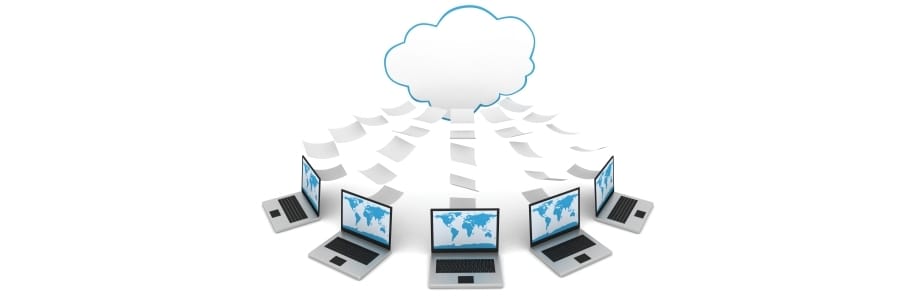
Working with core systems requires making the right technology choices when it comes to build versus buy and the implementation of the right technology to do the heavy lifting to propel the business forward.
Key things that your tooling will tell you
There are three things that you're going to get pretty quickly from looking at your tooling around the health of the business.

People Visibility
Tooling often reveals a lack of dependency mapping or disconnect between various departments. This is a result of people who are unaligned or unwilling to work together because of relational conflicts. Tooling therefore gives us key insights about whether the relationships in a business are in a healthy place or whether they are under pressure.

Process Visibility
Our tooling should show us whether our processes within the business are in a healthy state. Key indicators will be whether projects are operating on time, whether documentation is up to date, whether lead measures within the business have been implemented, and on a reporting level, what the lag may look like as a result.
Data Visibility
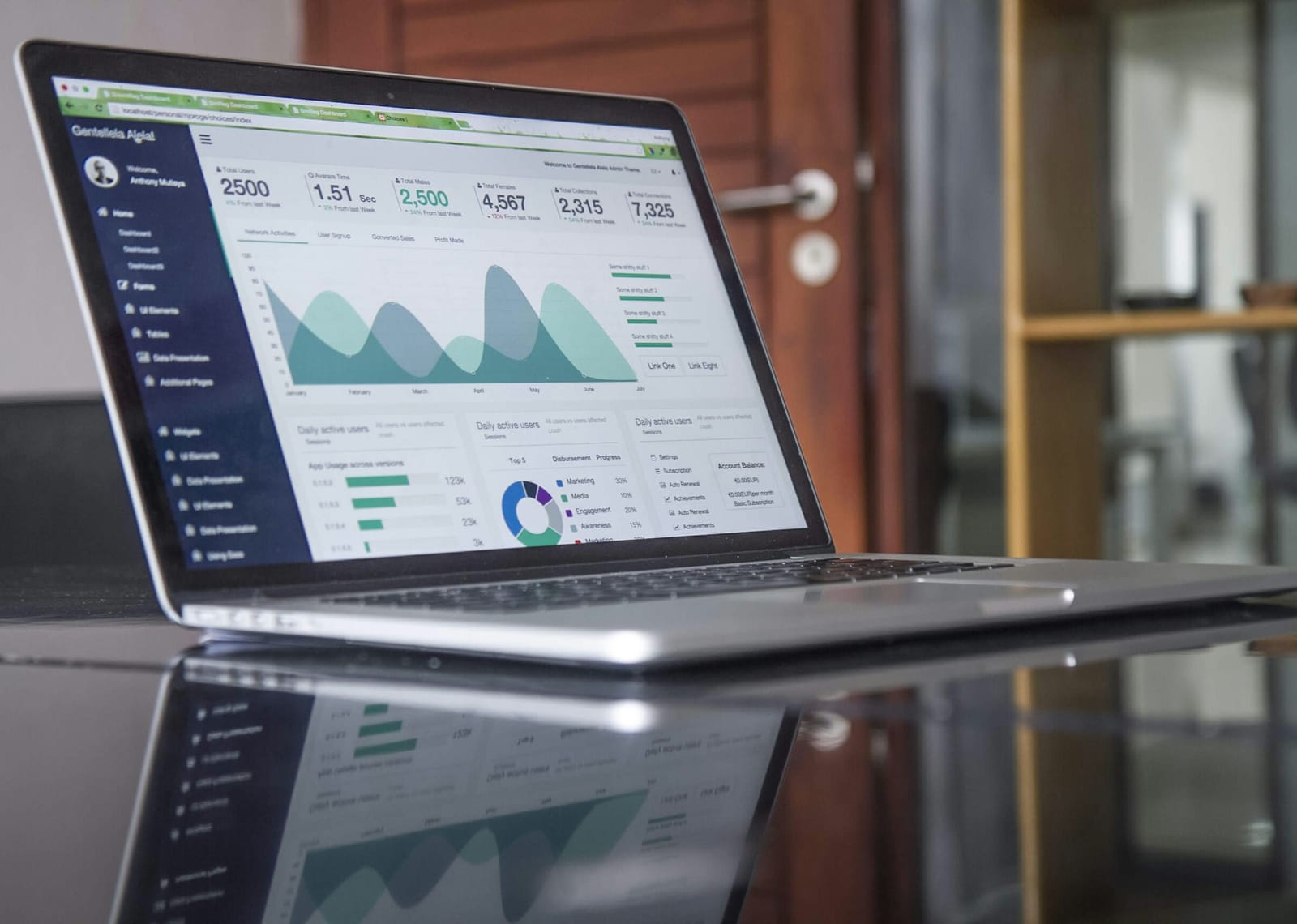
The quality of the data coming out of our tooling will speak to two things: whether our data is correctly structured, and whether we're gathering the right data that will enable us to understand the hygiene and health factors within the business. Quality data will enable us to make good decisions.
Book a conversation
Start with a short call about how you measure delivery, and where the right tooling would make your people and process visible.