Good process is the answer to complexity, and the key to good process is the right people in the right places.
Process is how individual awareness becomes collective delivery.
Five areas where process turns awareness into delivery
Process is how the work actually gets done. These are the five areas where we work with teams to turn individual awareness into collective delivery, from how a team forms to how it transforms.

Team Formation
Performance starts as a structural issue. Poorly performing teams usually only get noticed once trust and cohesion problems show up. Team formation sets the ground rules up front, helping members understand where others come from and how they are wired, before the problems arise.

Team Cadence
Cadence is the antidote to failing willpower: not just a way of working but a rhythm of working. It is built on the one-on-one, three honest questions between team lead and member, and grows into effective stand-ups and a consistent rhythm of delivery.
Product Lifecycle
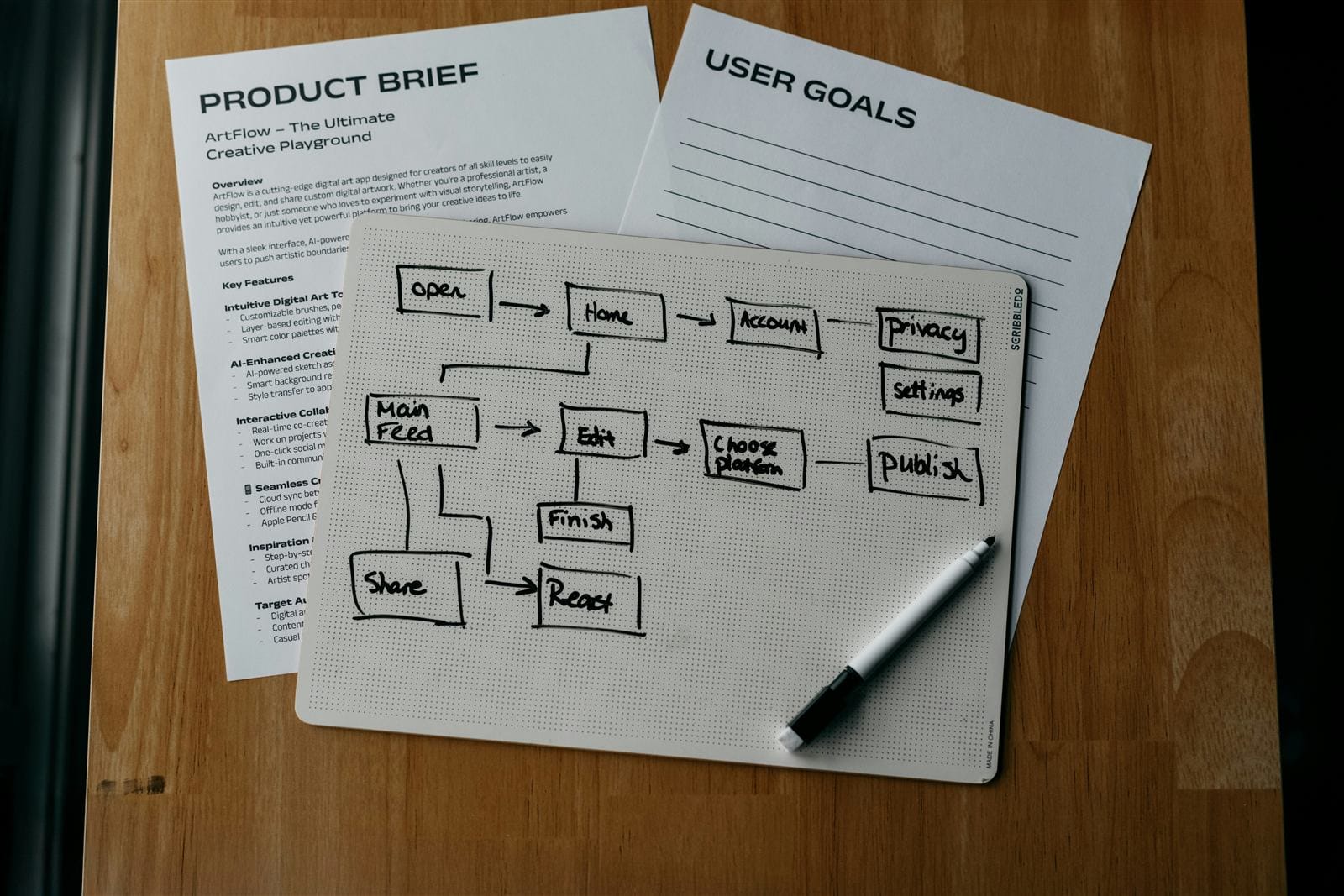
It is rarely the best idea that wins, but the one that makes it through the process and gains a foothold. Building a product needs a methodical approach: test the assumptions, develop it rigorously, then work out how to launch it and make it succeed against competition.

Innovation
Build the team that explores without breaking the team that delivers. Innovation does not fail for lack of creativity. It fails when organisations ask delivery teams to also be innovation teams, when those two functions are fundamentally incompatible.

Digital Transformation
This is where people, process and technology really come together, and the technology is usually the least important part. It can be built or bought. The hard part is implementation: changing how people work and carrying them with you until new ways of working stick.
How it comes together in a team
It's really important to consider team mapping when it comes to process, because how your people are wired will define how they view process in areas like product build or innovation. Understanding how people are wired will enable you to modify your processes based on the specific people on the team.

Team Mapping
It's really important to consider team mapping when it comes to process, because how your people are wired will define how they view process in areas like product build or innovation. Understanding how people are wired will enable you to modify your processes based on the specific people on the team.

Team Diversity
Teams often end up wired alike, which feels comfortable but quietly limits them. If a team is unbalanced and has an aversion to process, then they'll likely be unproductive. If a team is biassed towards process, then they'll likely become over-regulated and struggle to pick up momentum. It's important to understand the needs for a diverse team before engineering process.

High-Performance Team
Process is just as important to a high performance team as the type of people on it. It plays an integral role in the eight characteristics that define a high performance team, along with the cadence and habits that keep a team delivering rather than just meeting.
Book a conversation
Start with a short call about how your teams work, and where better process would make the biggest difference.