Digital Transformation
Where people, process and technology come together, and the technology is the least important part.
The technology is the easy part
People assume digital transformation is about using technology to make a business more efficient or competitive, but the technology is usually the least important part. It can be built or bought, and there are few new problems that first movers have not already solved, so the tooling usually exists. The hard part is implementation.
Build versus buy
Building new technology that's customised to the business need often gives a higher impact, but it takes time and carries an IP risk if key people leave. It also needs required documentation at a level that many businesses struggle to produce.
On the flip side, buying a platform means conforming to the platform's processes, and vendors are generally not interested in single-use-case changes, which makes it hard to get vendor support.
Ultimately, the approach taken to the creation or adoption of technology can be critical in digital transformation projects.


Changing the way people work
The biggest challenge with technology is adoption and the combining of technology and process in a way that benefits the business. The reason why it's hard is because it involves changing the way people work. That change causes existential questions to be asked around people's identity as well as how to deal with the conflict that arises when change projects are rolled out. Ultimately, the biggest mistake many leaders make is to underestimate the importance of doing the people part of a digital transformation project. Instead, they choose to focus on the process or the technology and, in doing so, hamstring themselves in their pursuit of bringing change to the way their businesses operate.
Three ways to roll it out
There are fundamentally three ways of rolling out a digital transformation project.
The first is to build separately. This approach involves creating a ring-fenced team with new technology and creating the environment for it to work, and then moving people across into the new structure and abandoning the old way of doing things.
The second way to roll out a project is to try to build alongside, where the new project or digital transformation is being done alongside business as usual. The challenge of doing it this way is that it creates a potential threat scenario where the people who are involved in business as usual see the new project as a threat coming to replace them.
The third way of doing it would be as a viral change model. This involves starting with the change in an existing team and working to implement the new technology or way of work, and then, once it's been done in a beachhead kind of way with one or more teams, that approach is then slowly moved out to the rest of the organisation where the old technology, practices, and processes are assumed into the new context.
All three of these processes are fraught with uncertainty. The reality is a few-to-many scenario. If the many opt out of the process, then leadership is always going to struggle to recover a failed implementation. Careful planning and genuine staff buy-in are fronts that raise the chances of success.

The five areas of process
Digital Transformation is one of five process areas. Jump straight to any of the others.

Team Formation
Performance starts as a structural issue. Team formation sets the ground rules up front, helping members understand where others come from and how they are wired, before the problems arise.

Team Cadence
Cadence is the antidote to failing willpower: not just a way of working but a rhythm of working. Built on the one-on-one and three honest questions, it grows into a consistent rhythm of delivery.
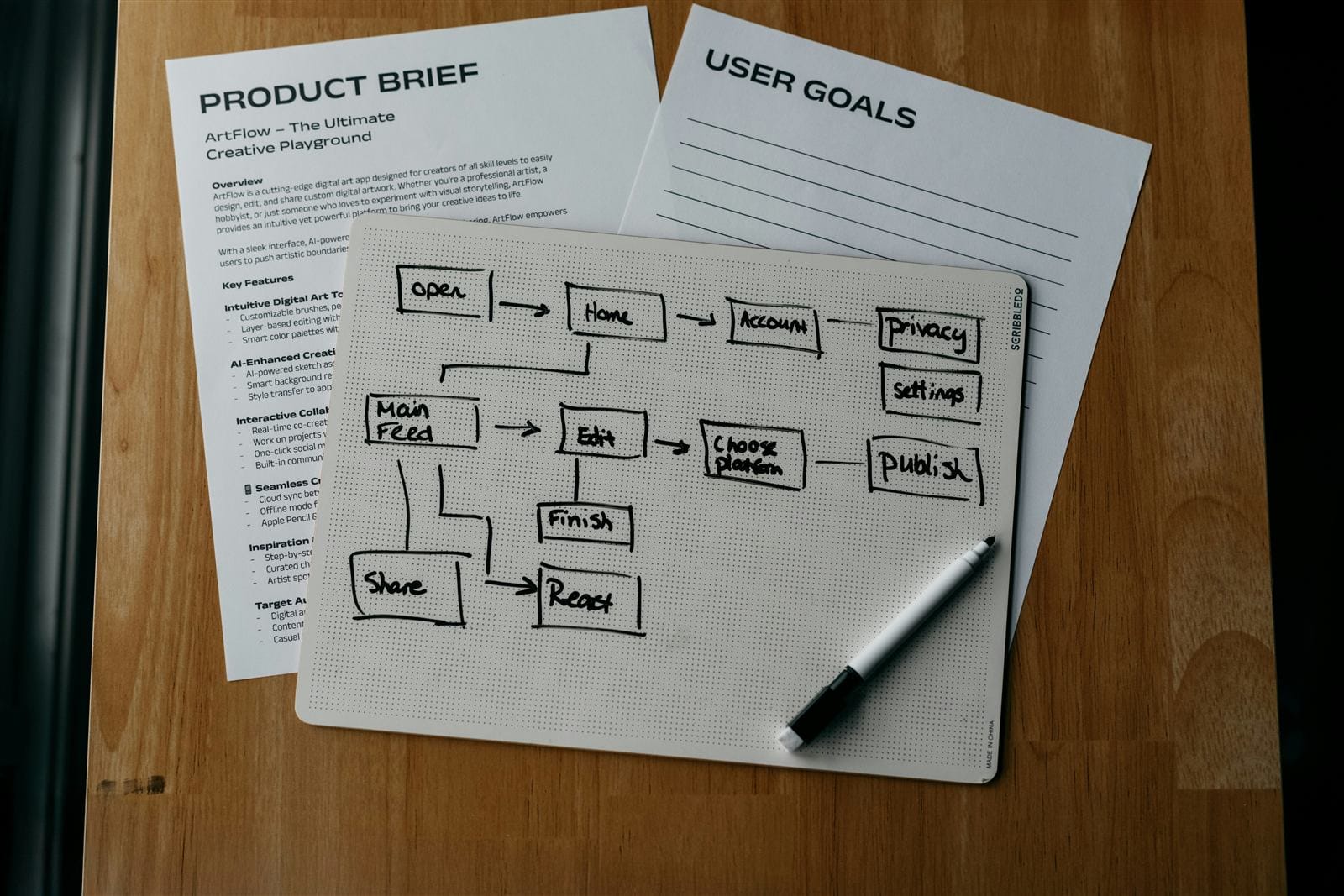
Product Lifecycle
It is rarely the best idea that wins, but the one that makes it through the process and gains a foothold. Test the assumptions, develop rigorously, then work out how to launch and succeed against competition.

Innovation
Build the team that explores without breaking the team that delivers. Innovation fails when organisations ask delivery teams to also be innovation teams, when those two functions are fundamentally incompatible.

All five areas of process
Back to the Process overview, with the five areas of work gearing and how it all comes together in a team.
Book a conversation
Start with a short call about the change you are trying to make. We will help you work out where to begin.