Team Formation
Performance starts as a structural issue. Formation sets the ground rules before the problems arise.
Performance starts as a structural issue
Highly predictable teams begin on the right foundation. Poorly performing teams usually only attract attention once trust and cohesion problems show up. Team formation sets the ground rules up front, and helps members understand where others come from and how they are wired, from the start.
What formation defines
The team-formation process documents a clear set of foundations:
- ✓Team mapping
- ✓Vision
- ✓Values and behaviours
- ✓Goals
- ✓Decision-making processes
- ✓Roles
- ✓Routines
- ✓A communication framework
- ✓A team name
All outputs are documented and built into a broader process that covers everything from onboarding to offboarding.


Sharing of the team mapping
Sharing the team mapping in the team-formation process helps to orientate team members on how the other members of the team are wired. It is a process of learning and sharing to understand what the different viewpoints on the team are like. It is also an important process because it identifies where some of the blind spots and gaps on the team are.
This can then feed into a process to identify whether any other skills are needed on the team immediately, or whether structures and processes can be introduced to cover the gaps. It can also feed into the recruitment process, so that if a team member moves on, the mix-in to the team is taken into account when recruiting a new team member.
More on team mapping can be found here.
Team Formation: Slipstreams Company Culture
Team formation is a critical structure to align teams with the culture of the company. This involves understanding the values of the company and the behaviour the company is looking to promote, and then using that as a starting point for the team to have its own discussion about the values it wants and the behaviour that will come from them. It is important, though, that the values and behaviour of the team align with the values and behaviour being promoted by the company, to create synergy. When this is done across teams, it creates a cohesive culture that moves an organisation forward.


Communication tools and preferences
It is important for high-performing teams to define the communication tools and the levels of escalation they will use to communicate inside the team and outside of it.
Functionally, most high-performing teams will ditch email as a form of internal communication and instead rely on instant messaging, message boards, and tagging users on projects to engage with the team more effectively. Email still has its place for communicating with stakeholders in the company and with clients, but it is important that such communication is attached to cards on the relevant boards, so the team's progress stays documented.
The five areas of process
Team Formation is one of five process areas. Jump straight to any of the others.

Team Cadence
Cadence is the antidote to failing willpower: not just a way of working but a rhythm of working. Built on the one-on-one and three honest questions, it grows into a consistent rhythm of delivery.
Product Lifecycle
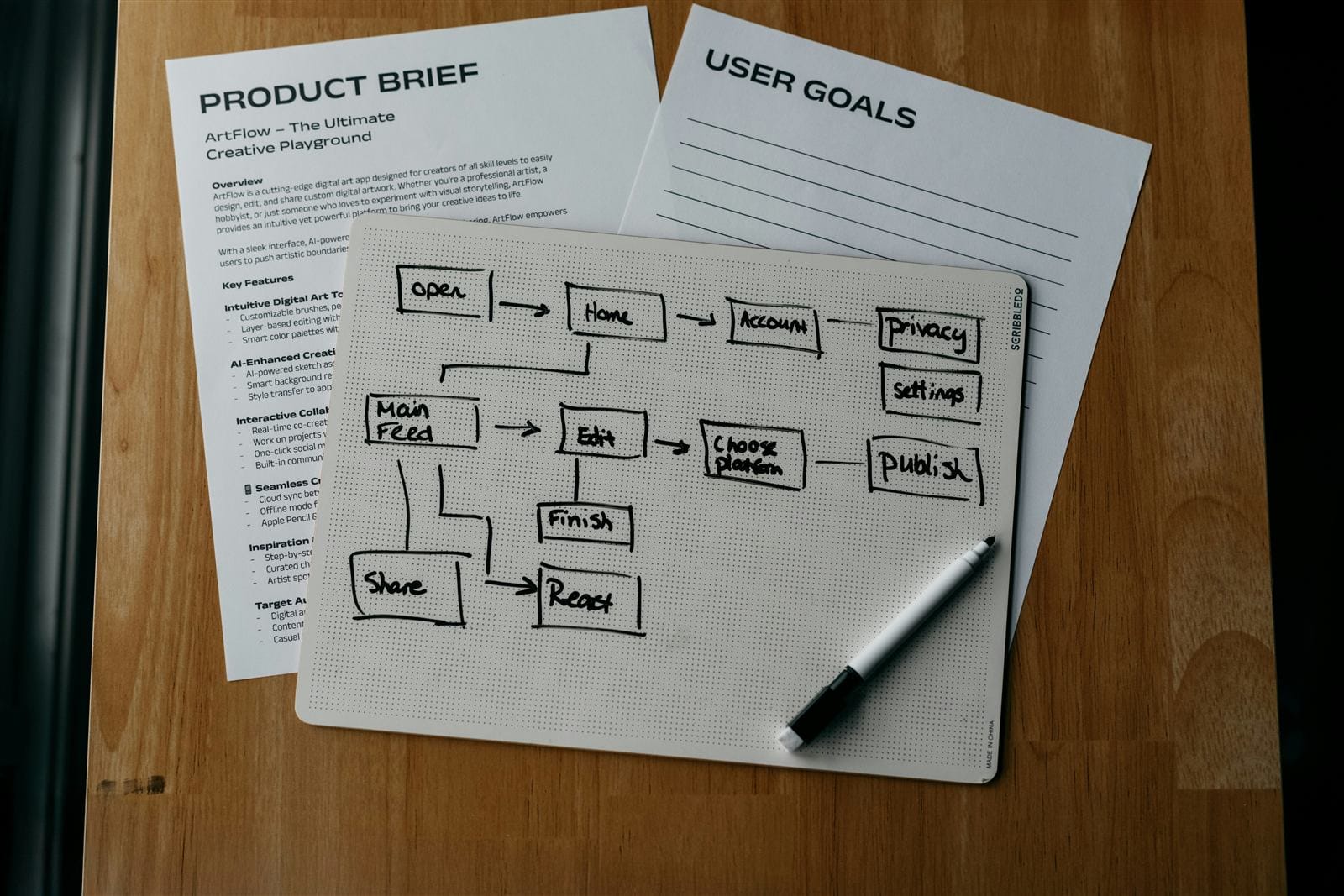
It is rarely the best idea that wins, but the one that makes it through the process and gains a foothold. Test the assumptions, develop rigorously, then work out how to launch and succeed against competition.

Innovation
Build the team that explores without breaking the team that delivers. Innovation fails when organisations ask delivery teams to also be innovation teams, when those two functions are fundamentally incompatible.

Digital Transformation
Where people, process and technology really come together, and the technology is usually the least important part. The hard part is implementation: changing how people work and carrying them with you until new ways of working stick.

All five areas of process
Back to the Process overview, with the five areas of work gearing and how it all comes together in a team.
Book a conversation
Start with a short call about how your teams form and work. We will help you work out where to begin.