If people are our greatest asset, then we need to understand ourselves and each other.
Understanding how each person is wired, and how we differ, is where good teams start.
Five lenses on how we are wired
Knowing yourself, and the people around you, is the groundwork for any team. We look at it through five lenses, from where we come from to how we show up emotionally.

Origin
Every person carries the culture they come from, and it shapes how they communicate, what they value and how they read a situation. On a team that spans countries, the same value can look very different from one person to the next. Building a shared framework across those differences is what lets a diverse team genuinely work together.
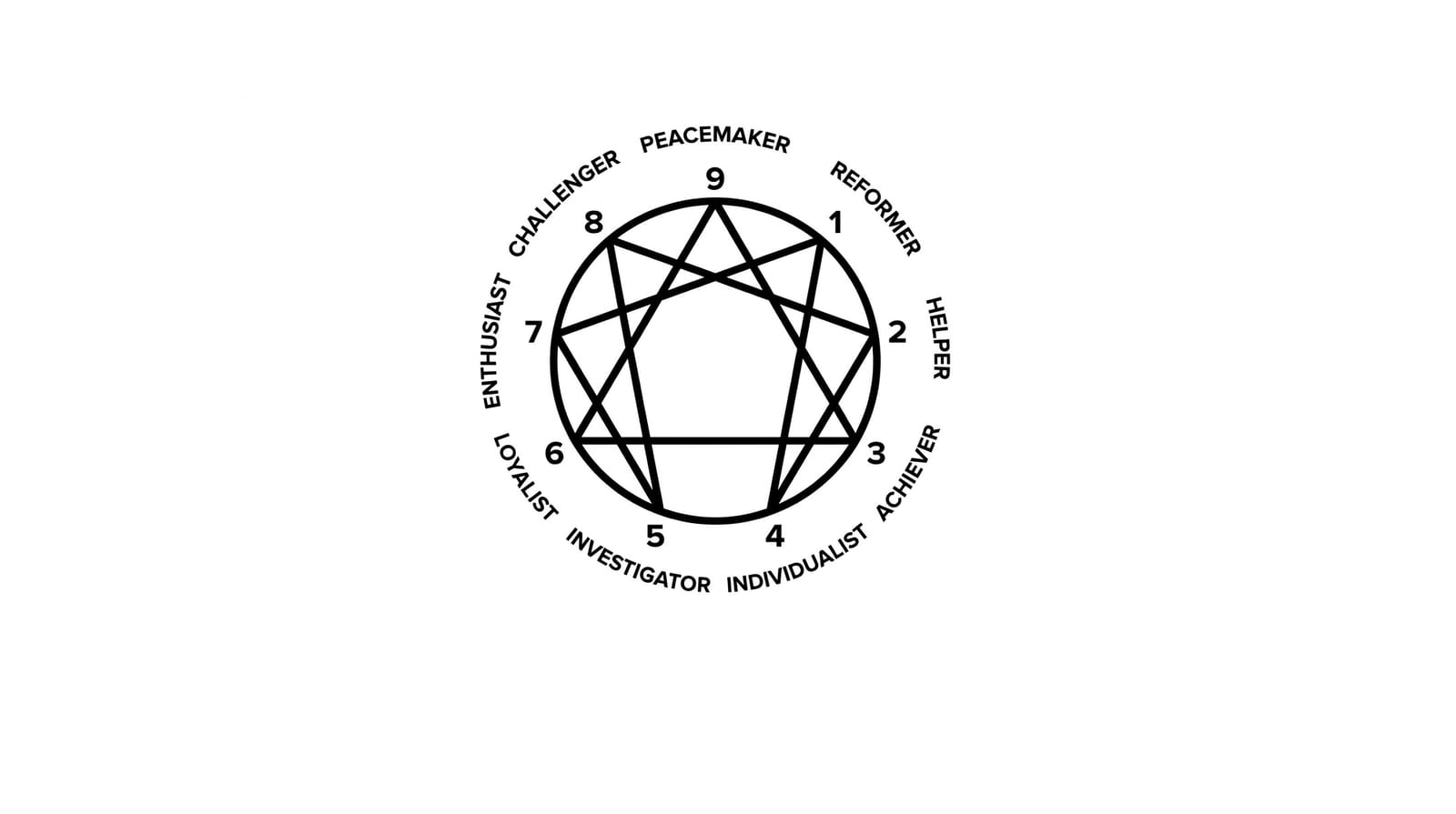
Personality
Personality has several dimensions worth understanding before you can work well with someone. We look at it through four lenses: your centre of intelligence (head, heart or gut), your stance (withdrawn, compliant or assertive), your core instinct (social, one-to-one or self-preservation), and how you show up in conflict.
Work Gearing
Work gearing is the set of skills you use to show up and operate in an organisation, and here is the counterintuitive part: it is not the same as your personality. It centres on the work you love, the work you look forward to, lose yourself in and want to return to. Mapping it shows where people draw energy and where they quietly lose it.

Leadership Style
Leadership style is best understood against the phase an organisation is in. Visionary founders give way to operators, then to process people and synergists as the business scales. A further lens is how leaders use power: power over others, or power to and alongside them. The real skill is knowing when to step forward and lead, and when to step back.

How We Show Up Emotionally
There are 87 human emotions that move through our lives, often more present for heart-focused people than for thinkers and doers. Yet, according to Brené Brown, most people can name only three. We explore four ways people tend to show up: the cheerleader, the mad scientist, the judge and the poet.
How it comes together in a team
Once you understand the individual, the next question is how those people work alongside one another. Three ways we help teams see themselves more clearly.

Team Mapping
We help teams understand the context each member comes from, and how that context shapes their values, communication and behaviour. Laying those individual contexts side by side is what lets a diverse team communicate well.

Team Diversity
Teams often end up wired alike, which feels comfortable but quietly limits them. Real diversity creates productive difference, and once a team learns to step forward and step back, that difference becomes its strength.

High-Performance Team
A high-performance team is designed, not assembled by accident. See the eight characteristics that define one, and the cadence and habits that keep a team delivering rather than just meeting.
Book a conversation
Start with a short call about your people and your teams. We will help you work out where to begin.