Work Gearing
The skills you use to show up and operate at work, and they are not the same as your personality.
Work gearing is not the same as personality
Work gearing is the set of skills you use to show up and operate within an organisation. The counterintuitive thing is that your work gearing is different from your personality. The key idea is that, within our work gearing, there are some things we love doing and feel passionate about, some things we are merely competent at, and some things that drain us of energy.
Organisational skillset
Here we look at the skills you bring within the context of an organisation and its life cycle. Are you a big-picture thinker or strong at product creation? Are you good at figuring out where things are broken, or at helping others and getting people moving? We also look at how good you are at task completion and getting things done, and at how the combination of these skill sets shows up as a specific profile.
Some of these characteristics will energise you and some will drain you. The key to working effectively in an organisation is understanding how you show up.


Soft Skills
Here we look at how people show up in the way they relate to others. They may be good at connecting people, or at teaching or moderating. There are various relational soft skills we look at, and at the impact a person is able to have on those around them.
Relational and task maturity
Here we look at what relational skill sets a person has, against what task skill sets they have. On the relational front we look at things like team play, collaboration and mentoring. On the task side we look at systems thinking, strategy, sense of purpose, being decisive, and so on.

Power
Here we look at the concept of power and how it is used within an organisation. Is it used in a power-over scenario, or a power-to scenario? We look at whether leaders are creative in the way they lead or reactionary, and whether they play to advance the organisation or play defensively to protect the assets it already has.
The five lenses on how we are wired
Work Gearing is one of five lenses. Jump straight to any of the others.

Origin
Where we come from shapes how we communicate, what we value and how we read a situation. Culture is built deliberately, then reinforced.
Personality
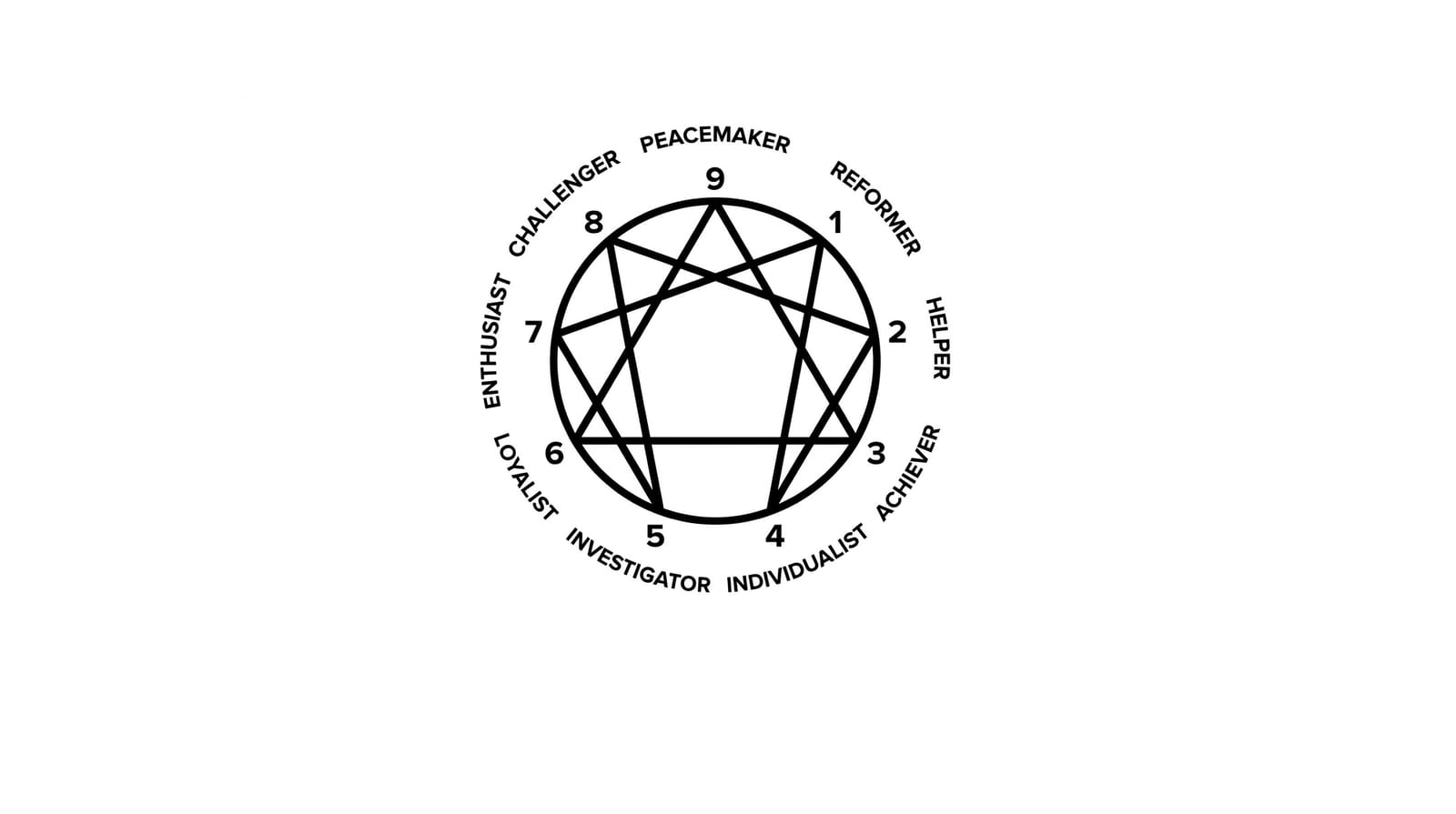
Four lenses on personality: your centre of intelligence (head, heart or gut), your stance, your core instinct, and how you show up in conflict.

Leadership Style
Leadership style read against the phase an organisation is in, and the real skill of knowing when to step forward and when to step back.

How We Show Up Emotionally
There are 87 human emotions, yet most people can name only three. We explore four ways people tend to show up.

All five lenses
Back to the People overview, with the five lenses and how it all comes together in a team.
Book a conversation
Start with a short call about your people and your teams. We will help you work out where to begin.