How We Show Up Emotionally
We feel far more than we can name. Reading how each person shows up emotionally is part of understanding how a team is wired.
We feel more than we can name
There are 87 human emotions that show up in our lives, emotions that are often more prevalent for heart-focused people, and to a lesser extent for thinkers and doers. Yet, according to Brené Brown, most people can only identify three emotions.
The Cheerleader
Cheerleaders run on positive energy with little anxiety. They are hopeful and encouraging, quick to lift the mood and to see the upside, and they bring energy that others feed off.
Their emotional weather is mostly sunshine, which makes them a steadying, motivating presence, though it can mean discomfort sits unacknowledged for a while.


The Mad Scientist
Mad scientists feel both ends intensely. They ride the highs and the lows strongly, energised and reactive in equal measure.
That intensity fuels creativity and passion, but it also means their emotional weather swings, so the people around them learn to read which way the wind is blowing.
The Judge
Judges are steady and measured. They do not swing strongly in either direction, which makes them calm, even-keeled and dependable under pressure.
Their composure is a real asset in a storm, though others can sometimes mistake their evenness for detachment.


The Poet
Poets feel difficulty and threat strongly. They are reflective and real, attuned to depth and to what could go wrong, and unafraid of melancholy. That sensitivity gives them honesty and emotional range, and makes them the ones who name what others avoid.
None of these four is better than another. Emotional affect is weather, not moral worth, so we do not moralise it as naive, negative, dramatic or cold. We read it, and layer the map together.
The five lenses on how we are wired
How we show up emotionally is one of five lenses. Jump straight to any of the others.

Origin
Where we come from shapes how we communicate, what we value and how we read a situation. Culture is built deliberately, then reinforced.
Personality
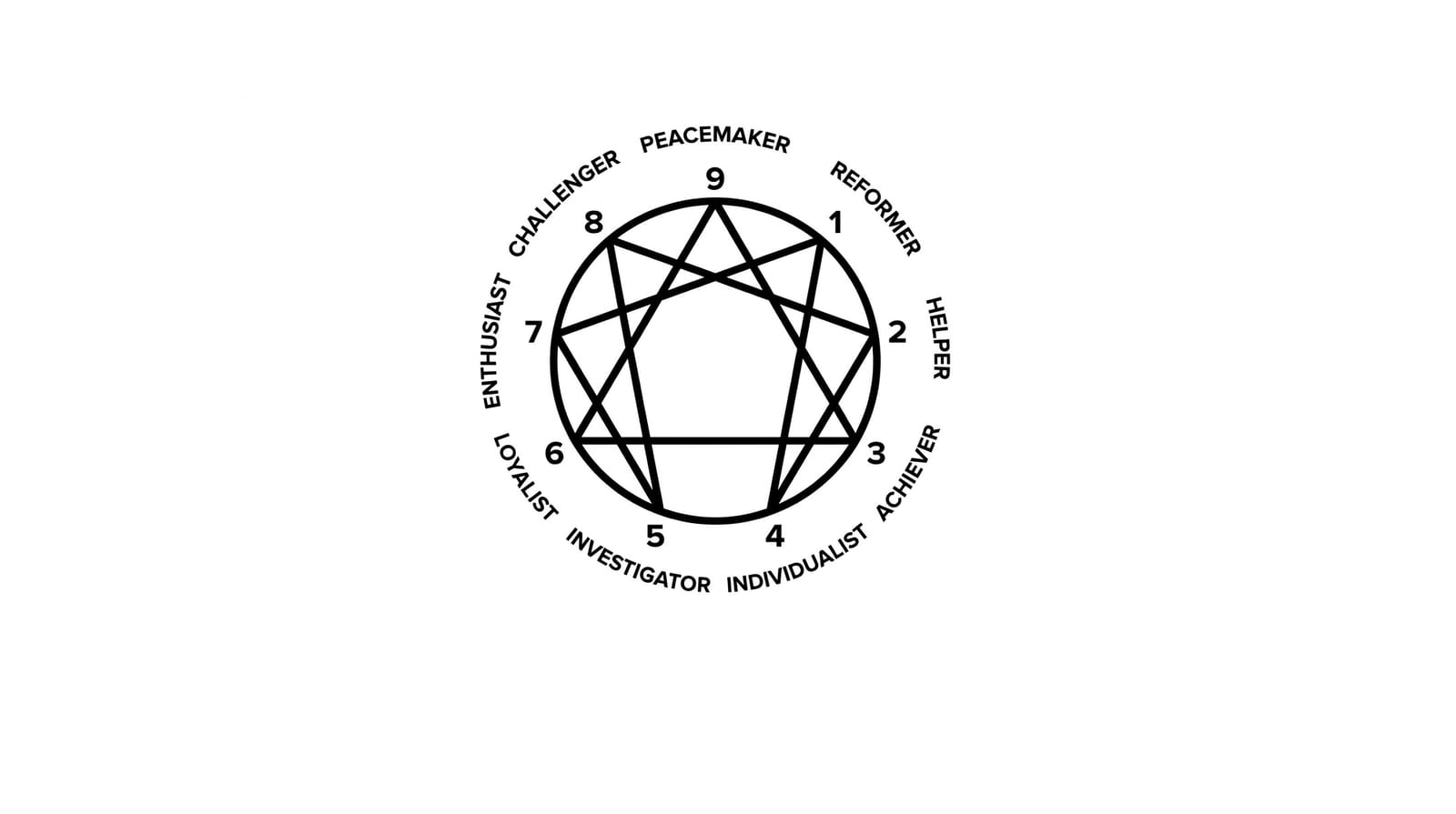
Four lenses on personality: your centre of intelligence (head, heart or gut), your stance, your core instinct, and how you show up in conflict.

Work Gearing
The skills you use to operate in an organisation, and why they are not the same as your personality. It centres on the work you love.

Leadership Style
Leadership style read against the phase an organisation is in, and the real skill of knowing when to step forward and when to step back.

All five lenses
Back to the People overview, with the five lenses and how it all comes together in a team.
Book a conversation
Start with a short call about your people and your teams. We will help you work out where to begin.